The Trafik

14 Sep

Trafik is what English (EFL) teachers call a “false friend”. It may make the English speakers reading my blog think of “traffic” as in cars, yet it means something completely different in Austrian German, is something I think of as very European, and it, too, is changing.

First of all, a Trafik is a small, neighborhood store that has government concessions to sell tobacco products, some postage stamps, lottery tickets, pay-and-display parking stubs, and tickets for public transportation. (They also used to sell the dreaded Stempelmarken–those stamps you had to buy for any official transaction, for example, making a visa application. This particular system has since been modernized.) From my time in France–granted, over thirty years ago now–I seem to remember that there was an equivalent, the Tabac.

In addition to cigarettes and so on the Trafiks sell newspapers and magazines, smoking paraphernalia, greeting cards, wrapping paper, and such and are very much a part of everyday life in Vienna. I have the impression that most Viennese have one Trafik they always go to. I have four within a five-minute walk from my apartment and still almost always go to the same one, even though they weren’t all that friendly to me until I walked in the first time with Mylo. 😉

Trafiks traditionally have played a significant role in Grätzl* life. As one Trafikant (proprietor of a Trafik), interviewed in today’s Kurier, said, “Our customers and we were like family. People exchanged news about the Grätzl, sport, and politics. We knew who had died and when a new baby had been born. It was really nice in the Trafik.” In fact, to visit another European country briefly, in a few of her crime novels set in Venice Donna Leon has her police detective, Brunetti, get invaluable information from the Italian equivalent. The people in the Trafik simply know what is going on in the ‘hood.

But apparently, what with changes in the Trafikgesetz (Trafik laws) and in the concessions they have, ever more Trafiks are having trouble making a real living and, as is possible in a highly centralized administrative system, the government office responsible for regulating them can simply decide to close some down. According to today’s Kurier that government office is planning to close down about 10% of the existing 2600 Trafiks in Austria in the next four years.

Now I hear the free-market capitalists out there saying, “So what? That makes sense.” At this point I need to bring in some additional information. It has always been my understanding that many of the Trafikanten have disabilities that make it hard for them to get other work. One of the points of the Trafik system is to provide them with a moderately pleasant way of making a living and knowing that they are a part of and contributing to society. The Kurier article makes the same point. Some Trafikanten will retire, some will (have to) find other jobs, and the ones with disabilities will simply be out of a job.

For me, old-fashioned person that I am in some ways, it is simply a further sign of the deterioration of organic, local community. And I find myself paraphrasing Winston in 1984: Don’t close down my Trafik. Do it to someone else!

* See here for a brief definition of Grätzl.

All references in this post to the Kurier are to the article “Abschied von der Trafik-Kultur” by Michael Berger.

Grätzl – brief definition

14 Sep

The word “Grätzl” deserves its own post, it has so many associations for the Viennese. Short version: It is Viennese dialect and refers to one’s neighborhood.

Making the most of the late summer weather

6 Sep

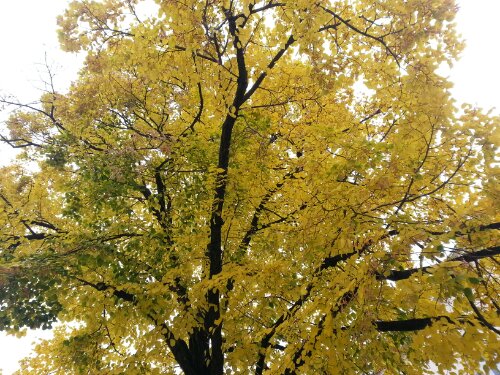
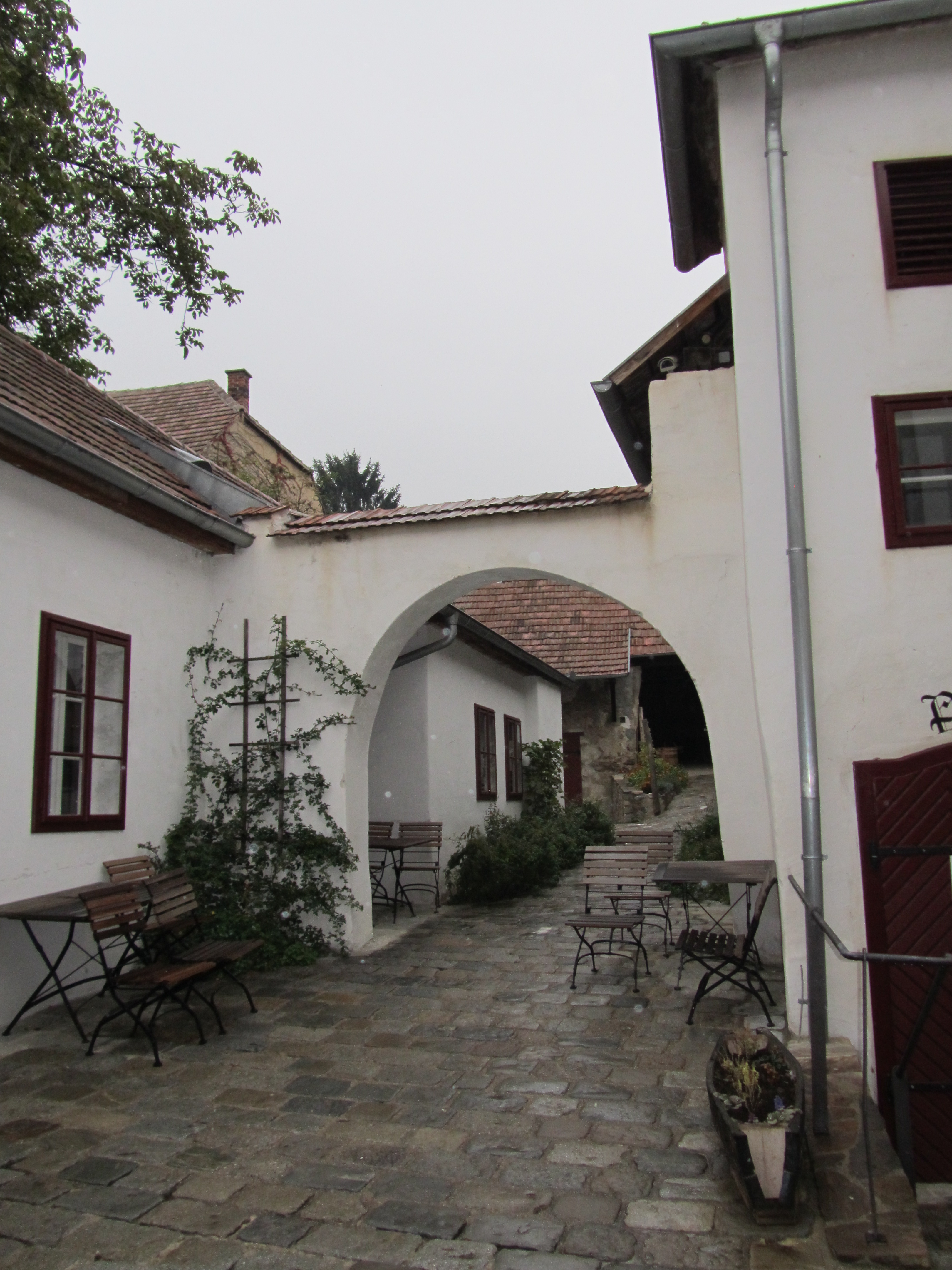
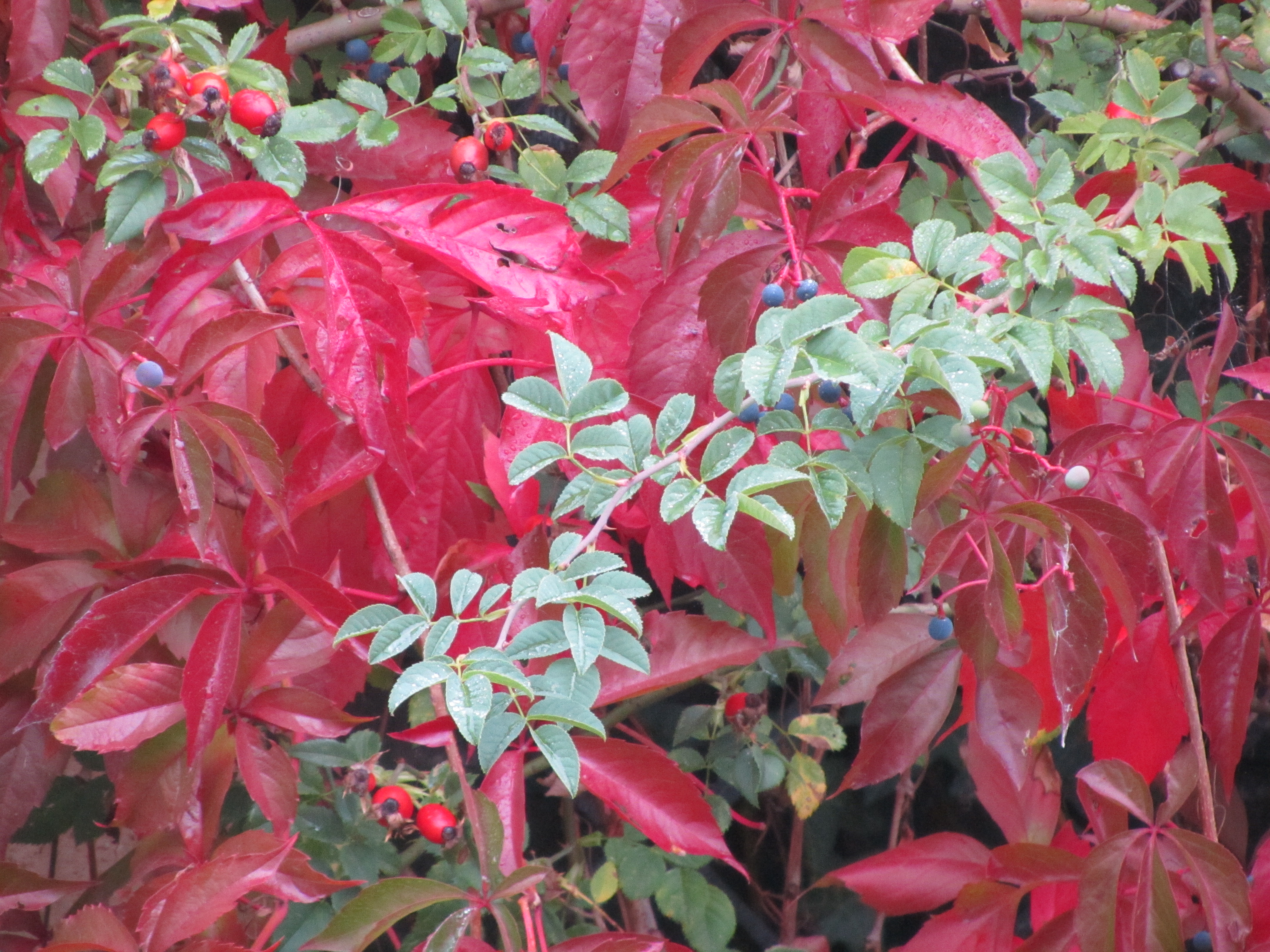
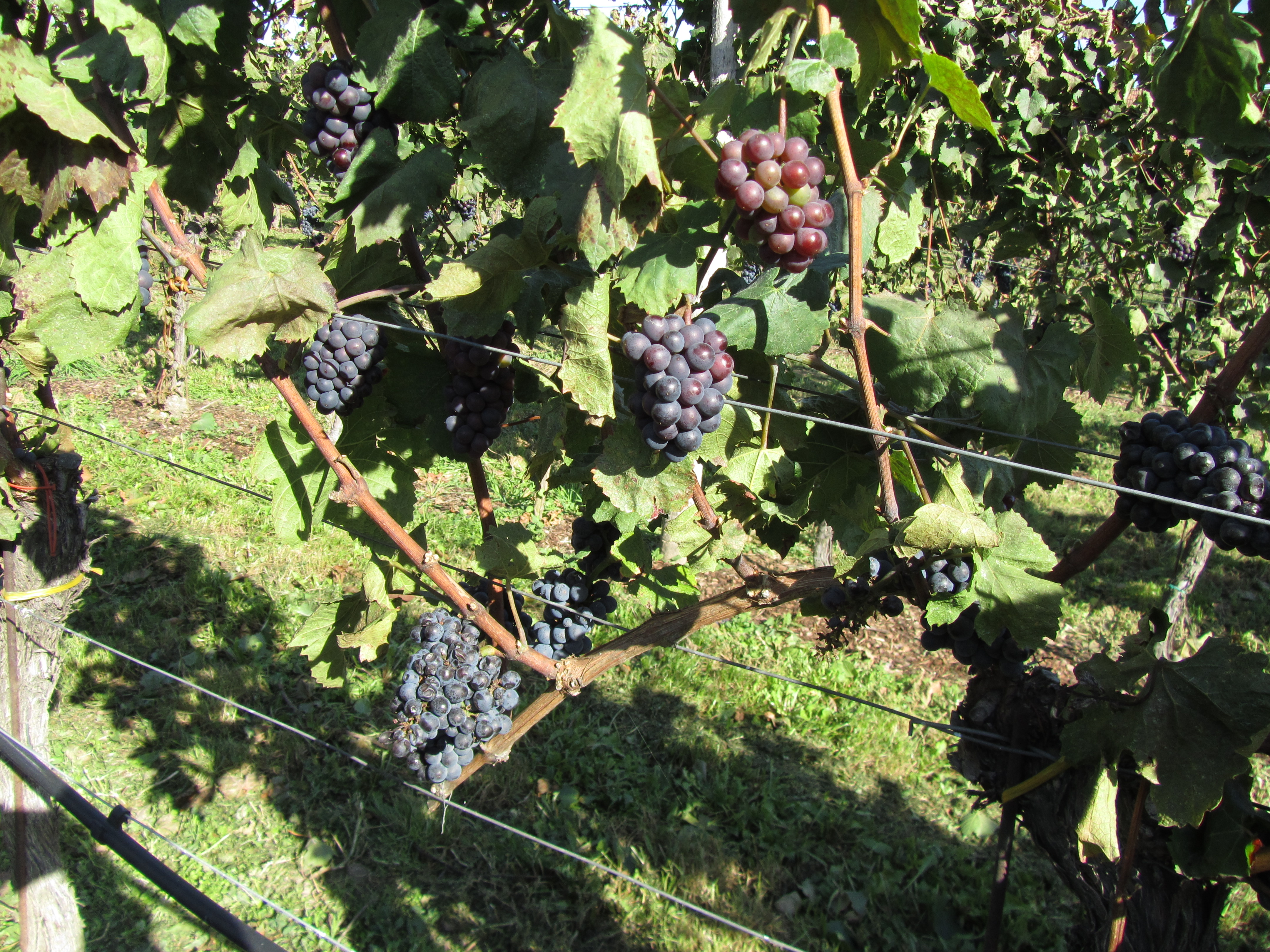
Where does one go in Vienna when the sun is still shining and the temperature is still warm? To the Heurigen (wine tavern), of course. Mylo and I are meeting friends in the beautiful garden at the Dorfschenke in Neustift – and this is what we saw on the way:

image

🙂

Regeneration of a district – Neu Marx

20 Jun

image

This morning Mylo and I took a trip out to a part of the 3rd district I haven’t been to in ages, if ever. We needed at health certificate for him for reasons that belong in another blogpost and had to go out to the MA (Magistratsabteilung) 60 to get it.

They are based in an area that used to house the stockyards and the slaughterhouses, as the photo above suggests, and are located on a street that did not appear on my 25-year-old map. (It didn’t matter. I asked a construction worker who at first said he was sorry they came in from Mödling and didn’t know the area. It was clear from his accent that he originally came from somewhere outside Austria, possibly Hungary, and, indeed, he then lit up and said, “The street named for the Hungarian comedian, Karl Farkas?” and pointed me in the right direction.)

In addition to the monumental statues of steers on the gates to the stockyards, there is other evidence of the past uses of the space–for example, an enormous building still called the “Rinderhalle” or “beef hall” and the Municipal Vocational School for Butchers (photo below). In true Vienna fashion there is also much for the 21st century. The Campus Vienna Biocenter, one of the leading international biomedical research centers, is out there, too. And there are a number of cheerful eateries that lend life and gaiety to the neighborhood.

image

I’ll be going back–not just because we couldn’t get everything accomplished today (also in true Vienna fashion)!

image

Destruction of the old

16 Jun

One of my usual walks with Mylo is through the courtyard of a turn-of-the-last-century house. Many of the old houses have closed the access because the people walking through have abused the privilege by being especially loud, stealing bikes chained to the railings, or using the space as an open-air toilet. I have always been grateful that we are allowed to walk through this courtyard and experience this very private part of Vienna, right down to the abandoned concierge’s quarters–tiny and without any windows directly to the outside but with a protruding, glassed-in front entrance where the Portier could sit and keep an eye on what was going on. Seeing that always makes me think of Hans Moser films and Eva Ibbotson novels set in Vienna.

My distress was all the greater then to see the destruction of the railing on one side by what seemed to be some incompetent tree work.

image

Then, being the suspicious person I am,  I started to wonder if the damage wasn’t intentional. In Vienna it has been known to happen that historical houses protected by law from being razed are mysteriously damaged beyond repair by bulldozers incompetently driven into them at odd hours of the night. This frees up the land for a modern block of apartments, which is often quicker and cheaper to build than the restoration of an old house.

Along the same principle, I wonder if the massive tree branches weren’t allowed to fall accidentally on purpose on the railings so that the owners of the house could put in simple, cheaper railings as they have already done on the other side.

image

Of course, it’s easy for me to criticize. I don’t have to pay for the restoration of the railings. It still makes me sad, though, to see the replacement of the beautifully wrought old railings with the completely generic new ones.

image

Summer

8 Jun

Is it possible that summer might come to Vienna after all? And on a weekend? ?? The mood at Café Dommayer in Hietzing suggests that it just might.

image

Lavender

5 Jun

It strikes me as one of the best ideas of the Office of Parks (and they have a lot of good ideas)–planting lavender upstairs at Schottentor, what I call the windiest corner in Vienna. Not only does it look nice, it smells wonderful in the wind that constantly blows off the slopes of Kahlenberg down Währinger Straße into Vienna.

Lavender at Schottentor

Lavender at Schottentor


Wildlife in Vienna

30 May

That’s “wildlife” consciously written as one word, not “wild life”. (Some people would say there isn’t much of the latter in Vienna–however much there is of the former–although all I can say is that there is a lot more going on than there used to be!)

The Kurier (daily newspaper in Vienna) has a magazine on Saturdays and in that magazine last week they had an article about wildlife in Vienna, accompanied by beautiful photos. The article starts with someone in the 13th district telling about a fox–dubbed Adam–who visits his garden. It goes on to tell about a project “Wiener Wildnis” (www.wiener wildnis.at) that records and protects that wildlife.

Among the other animals mentioned, and pictured, were: stag beetles, ground squirrels (related, visibly, to groundhogs), black-bellied hamsters, seagulls (not bad for a landlocked country!), swans, mallard ducks, grey herons, rabbits, agile frogs (that “agile” is part of the name and the genus is part of the “true frog” family :-)), cormorants, bats, common kestrels, hedgehogs, badgers and beavers.

I was most surprised by the hamsters (I always think of them as pets, only), the badgers, the beavers, and the grey herons. I’ve encountered deer, boar, foxes, squirrels (of course), ducks and so on in the Vienna Woods and sometimes even in the city parks.

The most delightful encounter I had with one of these animals was with a hedgehog. I was at a Heuriger (wine tavern / garden) in Neustift am Walde, felt something run over my foot, looked under the table and almost melted when I saw the most beautiful little hedgehog scuttling away. It made me think of the Beatrix Potter books I grew up on.

Grateful thanks go to Wikipedia for the English names of the animals. My system? I look up the German names in the German-language Wikipedia, get the Latin name, copy that into the English-language Wikipedia and voilá! Then I know that a Turmfalke (Falco tinnunculus), which left to my own devices I probably would have translated as a “tower falcon”, is a Common or Old World Kestrel. 🙂

The Ice Saints (Die Eisheiligen)

14 May

The weather is cooler at the moment, even though the sky is bright blue, and that is fully in keeping with the date. We are experiencing the Eisheiligen or ice saints, and it is almost always cooler for the five days they are among us. First comes Mamertus on May 11, then Pankratius, Servatius, Bonifatius and to round it off on May 15th comes Sophie (“die kalte Sophie” or “cold Sophie”).

The German version of Wikipedia gives all kinds of information about the meteorology of the ice saints, and seems to be rather skeptical, drawing, for example, on the implementation of the Gregorian calendar at different times in different regions and saying that we actually should see the ice saints eleven to twelve days later than currently expected (at which point they, of course, would no longer be called Mamertus, Pankratius, Servatius, Bonifatius, and Sophie).

I can only say that this year it truly is cooler than it has been and the forecast is indeed for warmer weather in a day or two. I can also tell a story. I was visiting friends this weekend, and we were all listening to the quiz show that is broadcast every Sunday afternoon by Austrian radio. One contestant had the chance to win a few extra points if he could name one of the ice saints. He paused for a moment and then said, in unison with my friend who was in the kitchen cooking, “Pankratius”. I’m not sure why he would stick out so much. I can be relied on to supply cold Sophie but not any of the others. No matter, the ice saints at least do seem to be alive and well in people’s minds!

Ascension

9 May

May is the month of many holidays, Austria still being a Catholic country. Today was Ascension, which means we still have Pentecost Monday and Corpus Christi to go. What to do on a holiday in May when the weather is perfect? I opted for lunch at the Palmenhaus in the Burggarten with a friend. A good choice.

image