Tag Archives: history

Steinhofgründe

1 Feb

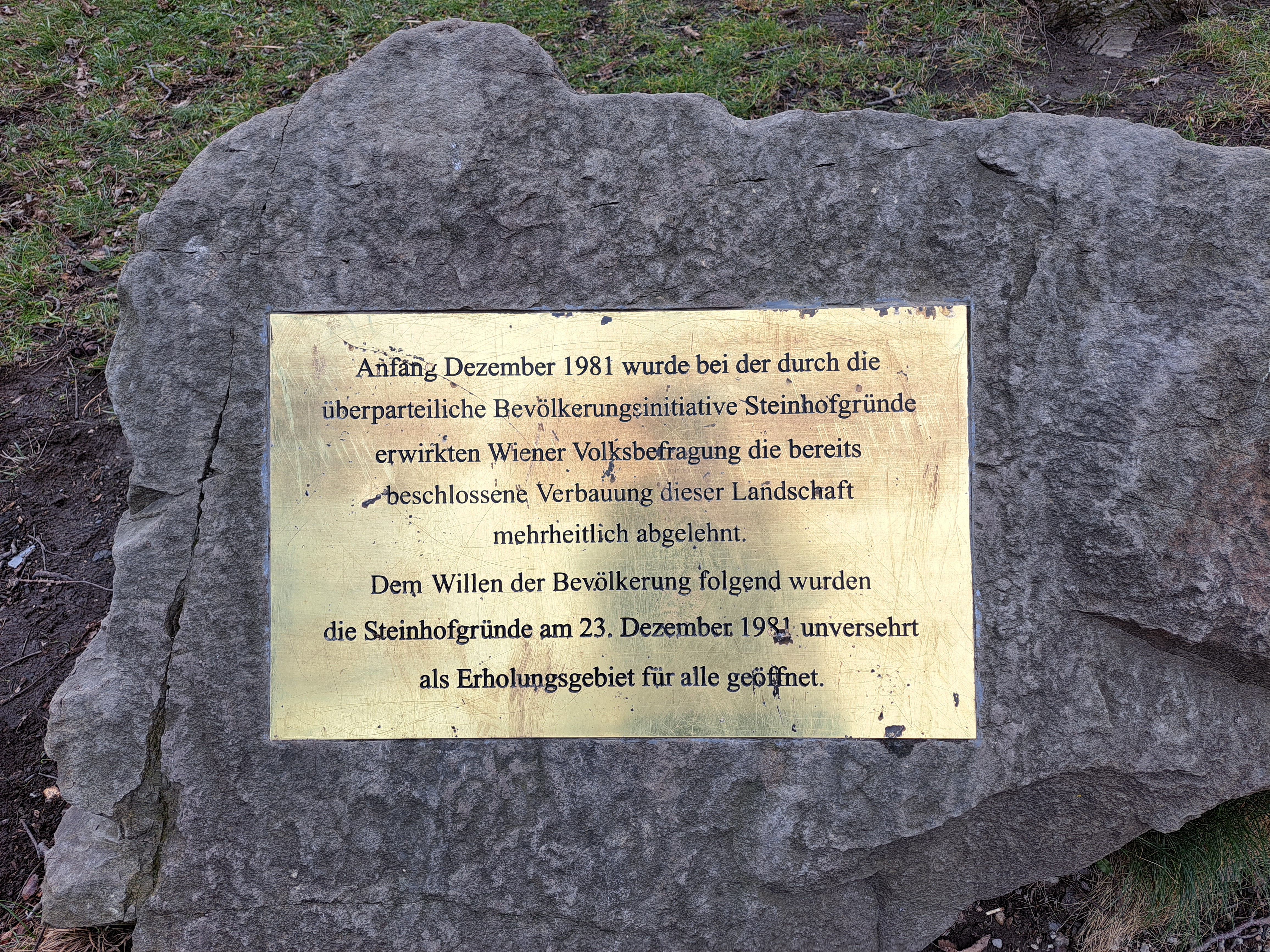
My translation of the plaque at Steinhof: At the beginning of December 1981, a Vienna-wide referendum initiated by the non-partisan citizen group Steinhofgründe rejected the construction that had already been approved for this site.

In accordance with the will of the people, the Steinhof area, in its untouched state, was opened to the public as a recreational space on December 23rd, 1981.

(Nice Christmas present! ;-))

How is it that I have now lived over 36 years in Vienna and only last Sunday discovered this part of Steinhof? I have an excuse for 11 of those years as dogs are not allowed in the area. This does however leave 25 years for which I cannot account. And how did I come to discover it now?

An answer to the first question first. All that time, whenever I heard the name Steinhof I thought of the hospital complex designed by Otto Wagner and Carlo von Boog and devoted largely to the treatment of the (wealthy!) mentally ill. (In Viennese, the area was also referred to as Baumgartner Höhe and had become a kind of shorthand for the psychiatric clinic, much the way “McLean’s” is used in Boston.) I had even taken a tour of the hospital complex once. I’m sorry to say that the only thing that sticks in my mind, other than the beauty of the Jugendstil buildings, is that the church, designed by Otto Wagner, was lined with tiles to quite a height. Taller than me, as I remember, and the reason given was that patients were more or less required to attend services but could not always control their bodily functions. The tiles made it possible to hose down the building after the services.

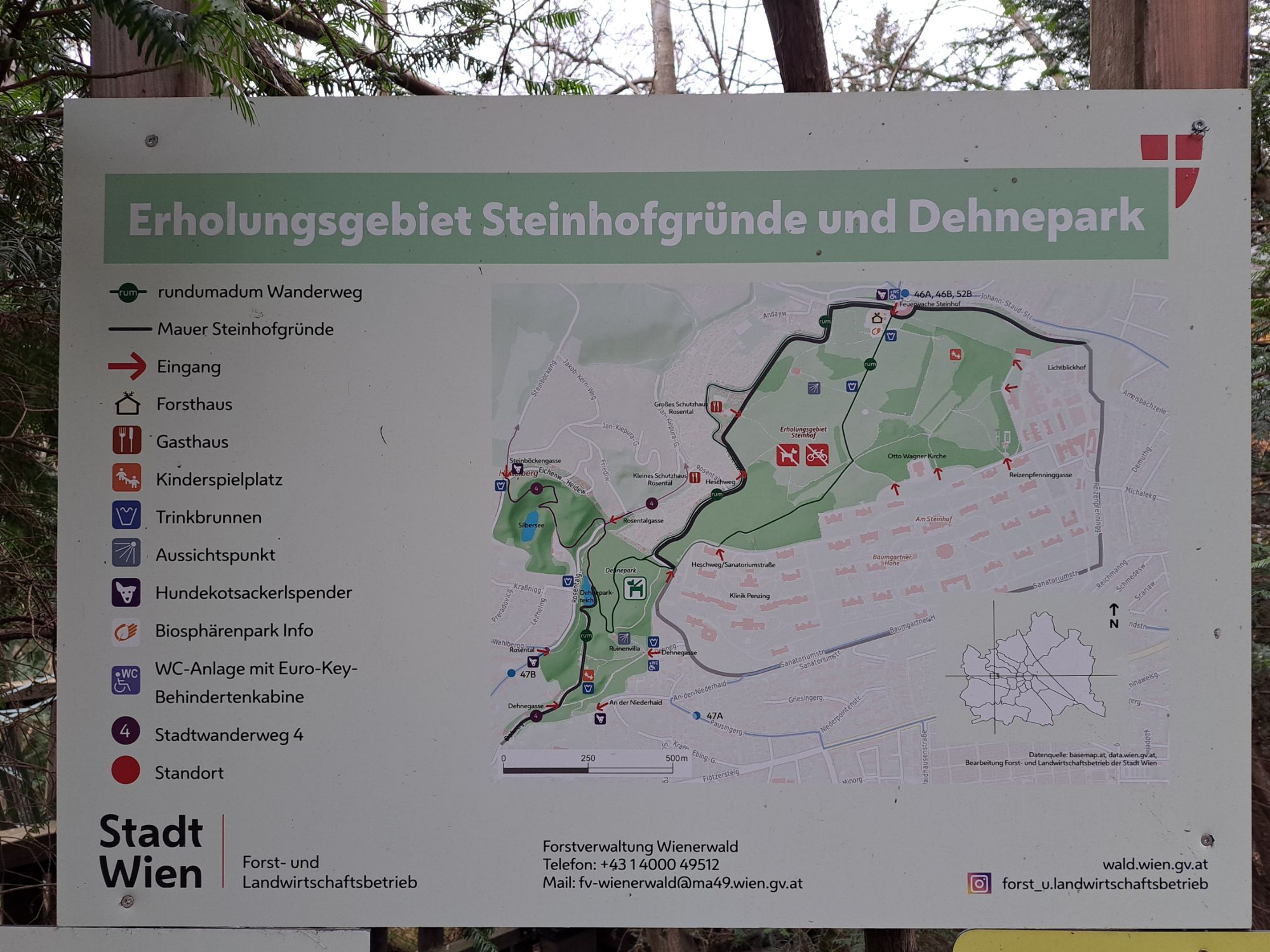
How did I come to discover it last Sunday? I wanted to go to Wilhelminenberg in the 16th district for a walk and on the bus up from the Ottakring S-Bahn station decided to get off at the Feuerwache am Steinhof stop, rather than the Savoyenstraße one, and then walk towards Dehnepark in the 14th. I was planning to walk around the outside of the grounds, as I had often done with Maylo, and enjoy the beautiful houses out that way. When I got off the bus, though, with an astonishing number of people, I realized I didn’t have to walk around the outside. I could go in. And I’m very glad I did. It is one more beautiful place to walk more or less in the Vienna Woods and will, I think, make a really nice place for picnics when the weather is warmer.

By the way, this being Vienna, I actually ran into someone I know on my walk. (“Wien ist ein Dorf” we often say. Vienna is a village.)

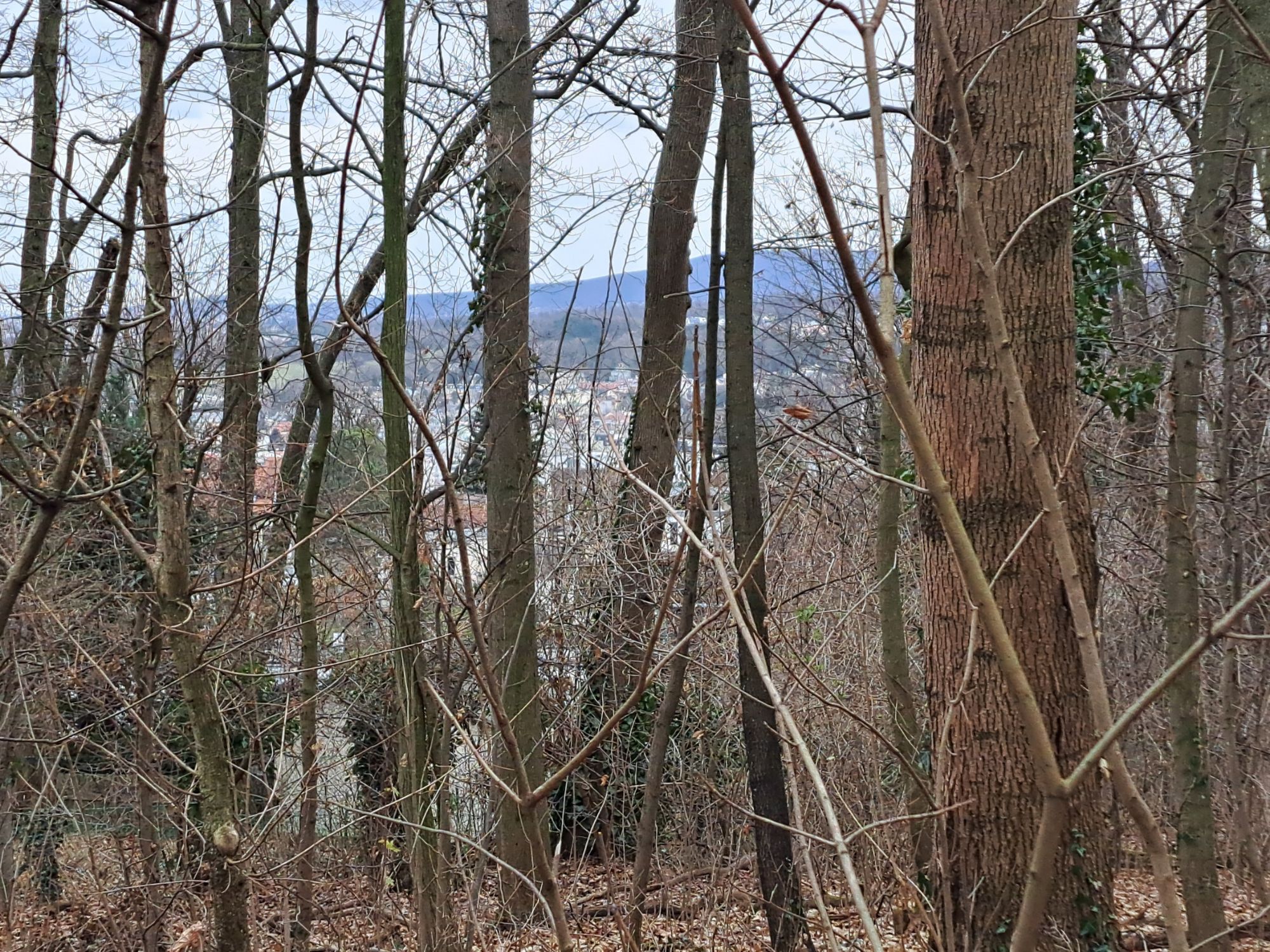
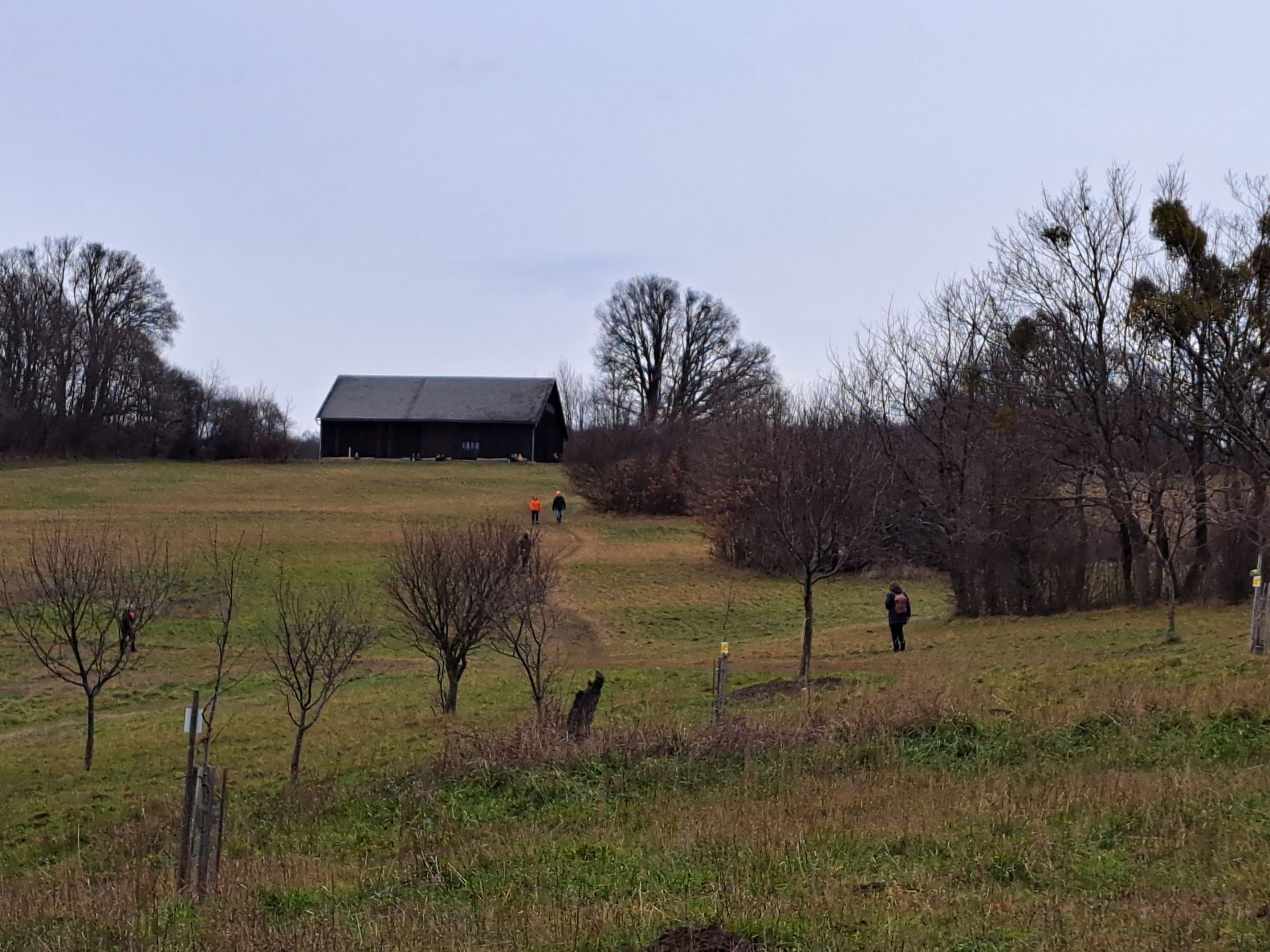
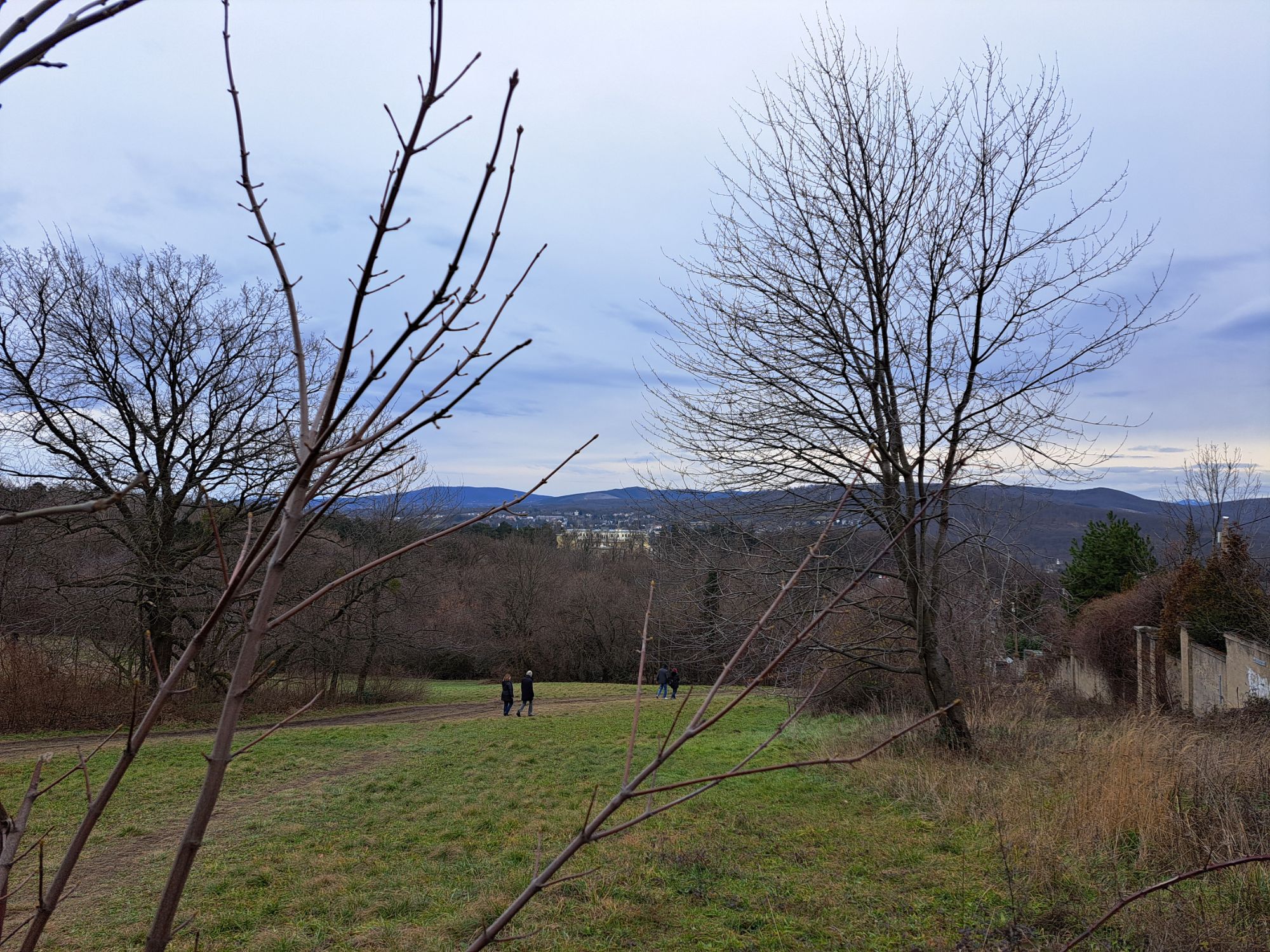
Here are a few more photos.
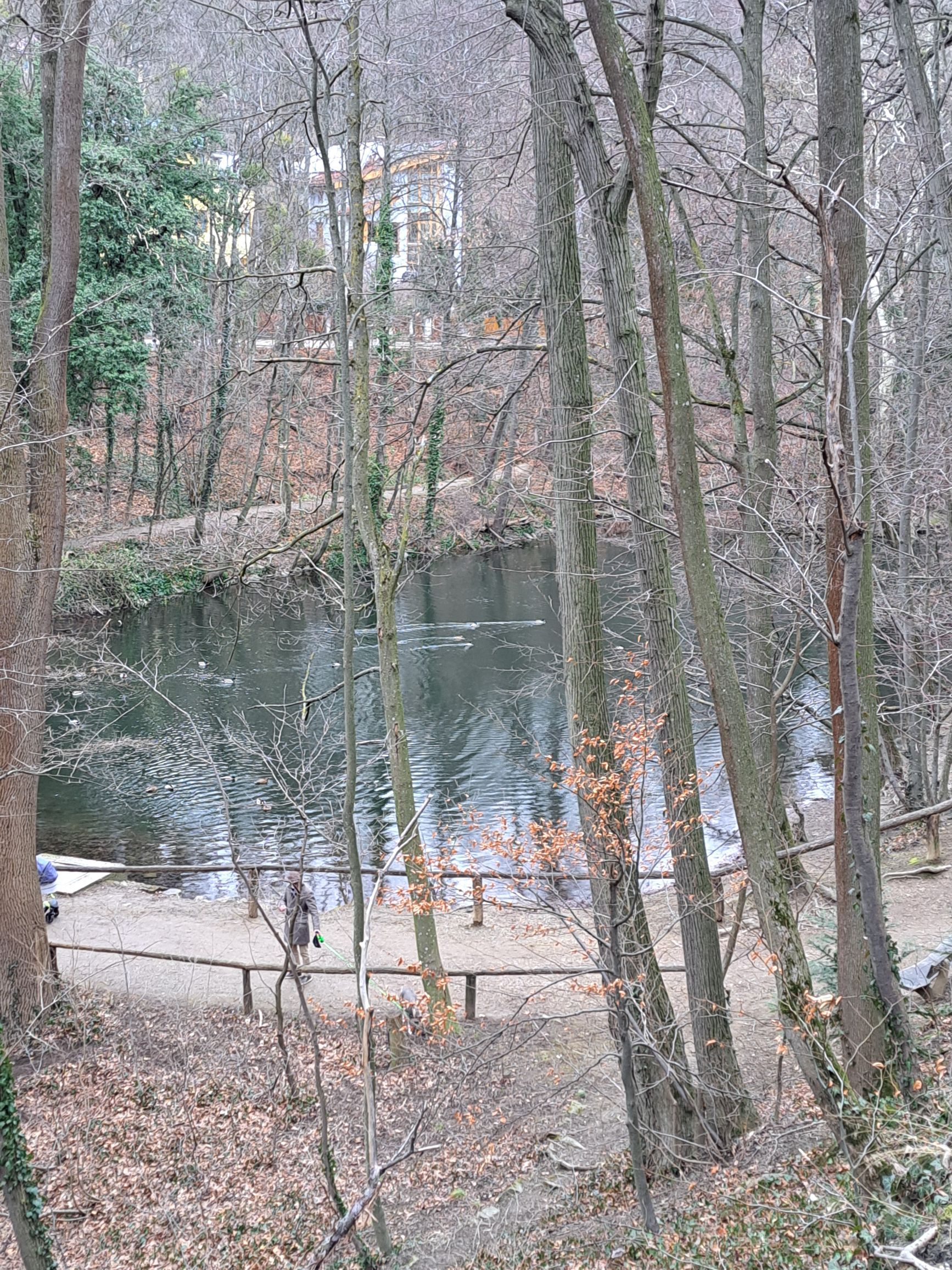
Walking time from Feuerwache am Steinhof to Hütteldorferstraße this time around (I got a little lost) was probably about an hour and a half. Below you can see the map.
NYTimes: Otto Schenk, Opera Director and Bulwark of Tradition, Dies at 94

12 Jan

Otto Schenk, Opera Director and Bulwark of Tradition, Dies at 94 https://www.nytimes.com/2025/01/09/arts/music/otto-schenk-dead.html?unlocked_article_code=1.ok4.Zuvw.Ivh1Lunq0RCP

I’m glad he made it into the NYT. He was an extraordinary artist. I had the great pleasure of experiencing him as Frosch, the prison guard, in Johann Strauss’s “Die Fledermaus” on New Year’s Eve 1988 at the Staatsoper.

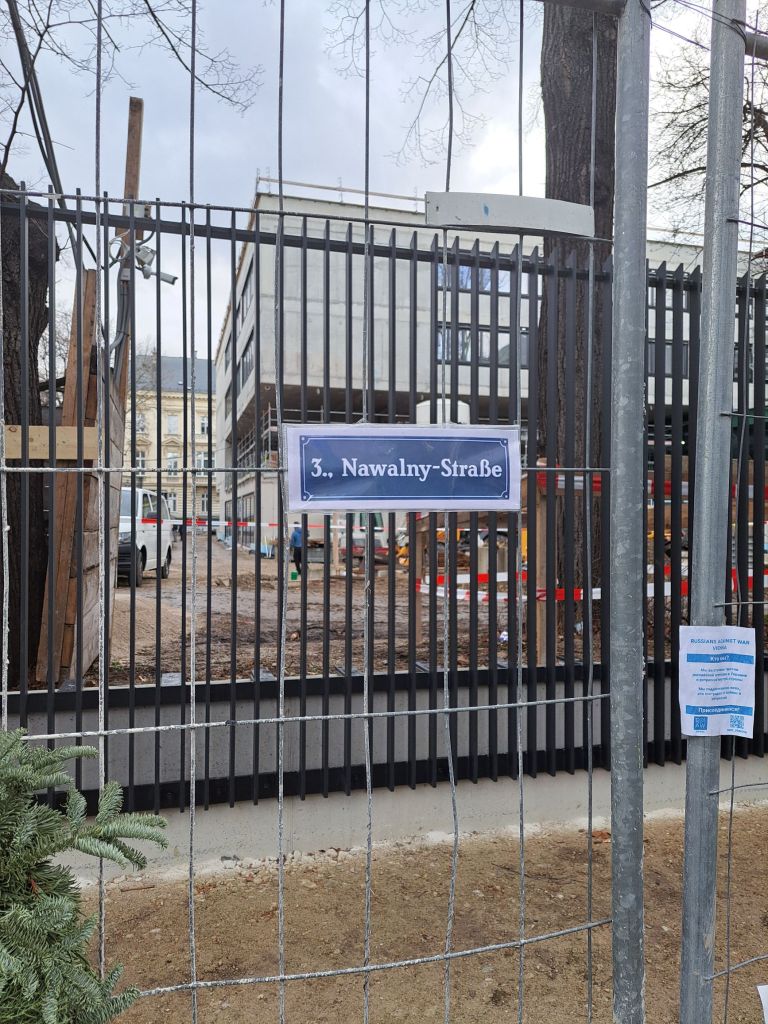
Navalny (or “Nawalny” as it is spelled in German)

19 Feb

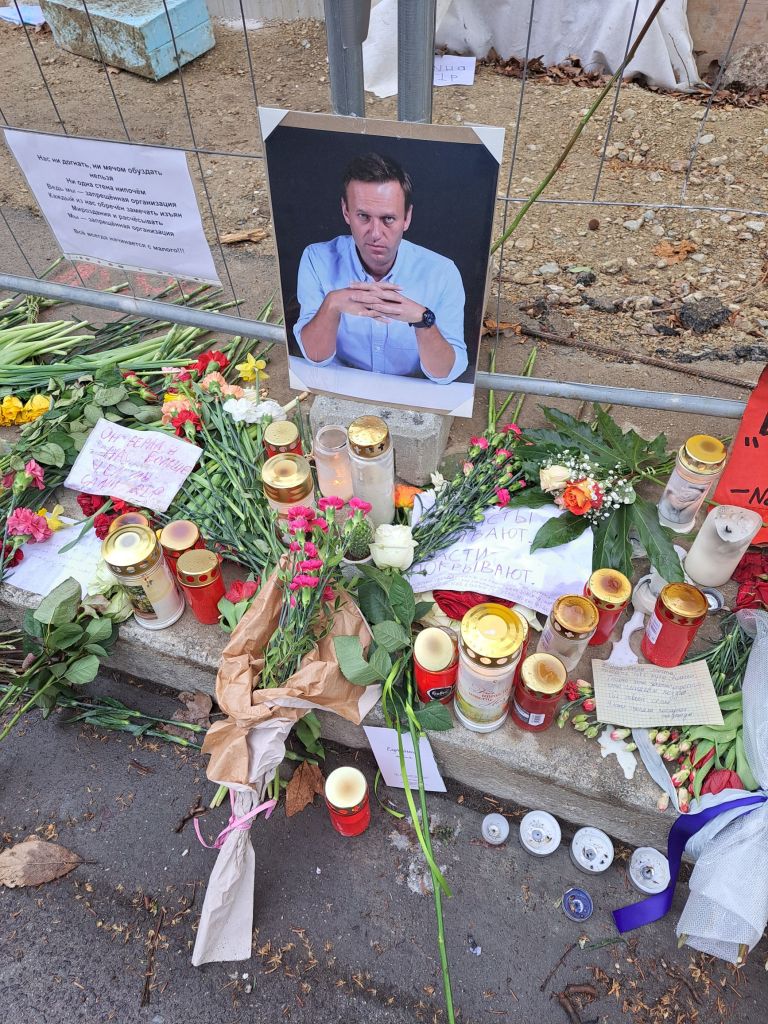
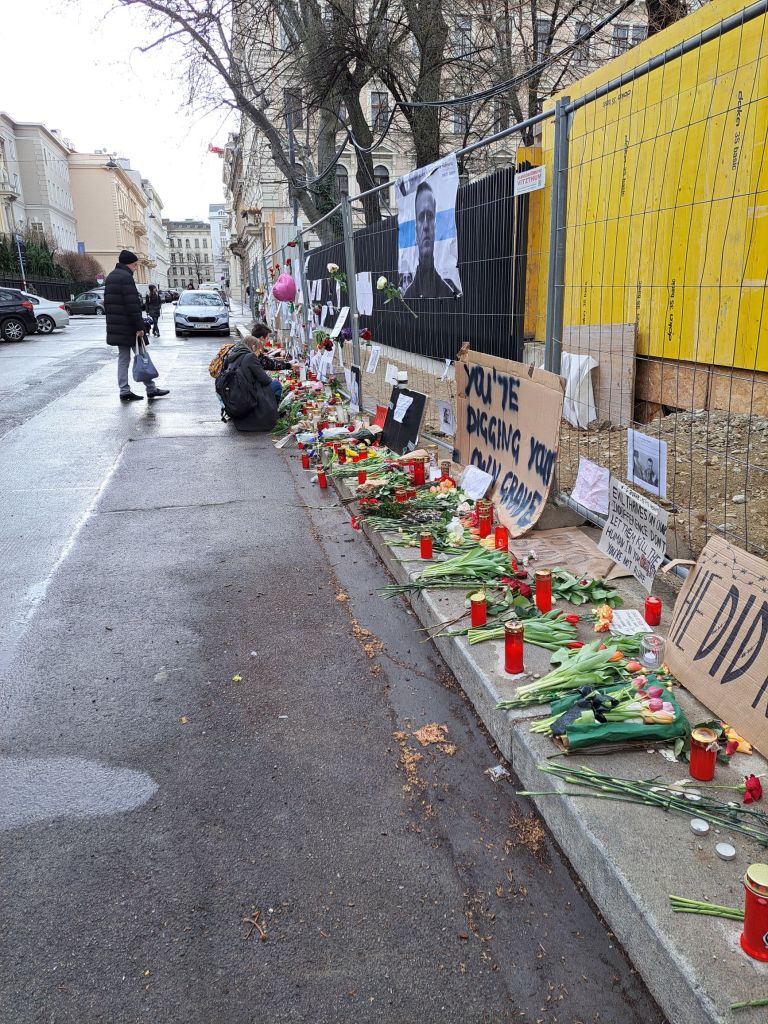
There is an impromptu memorial to Alexei Navalny right across the street from the Russian embassy.

It is good to have somewhere to go to commemorate him. He was very brave and, apparently, had a sense of humor and seemed to truly want nothing more than a better life for average Russians.

It was a bit scary to go and place a flower there. There were guards prowling about. (Mind you, I get quite unnerved by the Marines guarding the U.S. American embassy,  too.) There was no interference, though. I was able to leave my flower (a white rose, for those familiar with the student resistance in Nazi Germany) and look at and read what others had written.

It was a bit scary, yes, but also moving, and I’m glad I went.

The Votivkirche (Votive Church)

26 Nov

The Votivkirche was officially re-opened today with a celebratory mass. The extensive renovations, inside and out, have been going on for a quarter of a century.

The ORF story (in German): https://wien.orf.at/stories/3234020/

An earlier story from me: https://ecbinvienna.com/2023/04/19/votivkirche/

And a Wikipedia entry in English on the history of the Votive Church: https://en.wikipedia.org/wiki/Votivkirche,_Vienna

The Streets of Vienna 100 years ago

24 Sep

Even if you don’t speak German, at least the video is fun: https://topos.orf.at/vor-100-jahren-wiener-strassenleben100

Street Life in Vienna (a series of postcards)

8 Aug

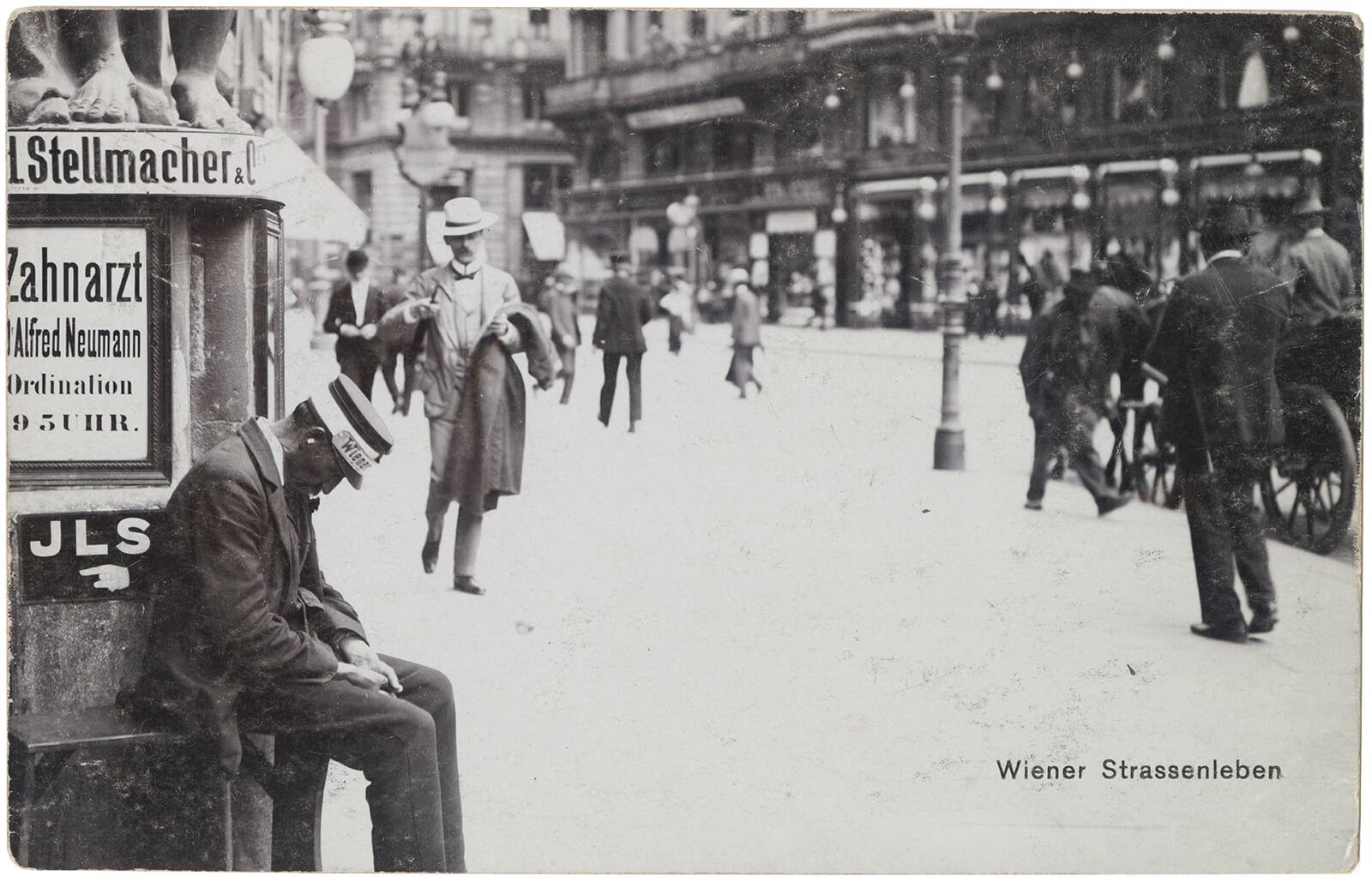
I think it was on the ORF (Austrian Broadcasting Corporation) site that I first saw a mention of a series of postcards showing everyday life on the streets of Vienna in 1905 / 1906. It is part of an exhibition at the Wien Museum (in one of their temporary quarters on Felderstraße) about postcards in general of Vienna.

What is special about this particular series? Postcards, of course, usually show us the important sights of a city — the Eiffel Tower in Paris, the Tower Bridge in London, Kiyomizu Temple in Kyoto, and Stephansdom in Vienna, to name a very few. The black-and-white postcards in the series referred to are in the form of snapshots and show people, often engaged in manual labor, going about their everday business. As the article (link below) from the Wien Museum’s magazine tells us the subjects of the photos are people who are offering their wares or services (for example as porters) on the streets and in the squares of the city, are driving vehicles or pulling carts or riding on public transportation or bikes, taking care of horses, cleaning up messes, working in public gardens, cleaning lanterns, working on building sites, maintaining tram tracks, strolling, striding, standing, cowering, sitting, sleeping, getting into mischief — and taking photographs. (my translation of part of the article) They give a real, one could say unvarnished, sense of life in Vienna at that time, which is precious to me.

I’ll want to be sure to make it to the exhibition “Grossstadt im Kleinformat” (“Big City / Small Format”), on until 24 September 2023.

The article from the Wien Museum specifically on this series (in German and showing some of the images): https://magazin.wienmuseum.at/fotopostkarten-wiener-strassenleben

The ORF on normality

21 Jul

Below is a link to a very interesting (and rather worrying) ORF article about the word “normal”. Recently, the governor of Lower Austria, Johanna Mikl-Leitner, used the phrase “people who think normally” (“normal denkende Menschen”) repeatedly in an interview in the newspaper the “Standard”. She is a member of the conservative People’s Party (ÖVP) and, the ORF tells us, was only following the party line, which has also been embraced, as you might expect, by the right-wing, nationalistic Freedom Party (FPÖ).

The Vice-Chancellor, Werner Kogler, of the Green Party (“die Grünen”), as might be expected, sharply criticized that use of the word and called the “normal” rhetoric “prefascist” (“präfaschistoid”) in an interview in the news magazine “Profil”.

In my opinion, Kogler has some justification for doing so. The problem is, of course, who gets to decide what “normal” is — and then what happens to those who are considered “not normal”. In a country that has a not-so-distant history of labeling anyone who criticized the government “asocial” (“asozial”) and sending them, often, to concentration camps sometimes to be murdered, it does feel as if we are on a slippery slope. (link to recent ORF article on this below)

I accept that there is bound to be (always has been?) backlash and that as diversity, inclusion, and belonging initiatives make headway (I’m not so sure “equity” plays a big role in the discussion in Austria at the moment) there will be pushback against people who want inclusive language (one of Mickl-Leitner’s hobby horses) or reject schnitzel or cars as central to their lives (Chancellor Nehammer’s [ÖVP] examples). I also think we need to tread very carefully and always remember where this kind of language has led in the past and could still lead in the present and future.

What is, after all, normal?

https://orf.at/stories/3324510/ (in German, on “normal denkende Menschen”)

https://topos.orf.at/Vergessene-NS-Opfer100 (in German, on “asoziale”)

Die Wiener Zeitung

12 May

I was introduced to the “Wiener Zeitung” (newspaper) by my former partner who is a lawyer and, like all lawyers, had to subscribe because certain official announcements, about new laws, for example, were published by requirement in the “Wiener Zeitung”. He also read the rest of the paper with interest and pleasure, finding it a wonderful source of edification. At some point, I did catch on to the interesting tidbit that it is the oldest daily paper still in print. That will end on June 30th this year after more or less 320 years. (To be precise, the first issue appeared on 8 August 1703 so it’s not a full 320 years, but what do the few weeks matter with a timeframe like that?)

What happened? In April, the National Assembly passed a law that did away with the requirement described thereby pulling the financial rug out from under their feet. It is the way of all things, and it is still sad. I wanted to commemorate it briefly here.

The Volksgarten has just turned 200

2 Mar

I saw a story on the ORF website this morning that the Volksgarten in Vienna, famous, among other things, for its stunning rose garden, came into being 200 years ago yesterday. It was the first garden in Austria to be designed and created by an emperor specifically for the people. (The emperor at the time was Franz I, great-nephew of Empress Maria Theresia.)

For several years, I apartment sat for friends of my family’s. It was a 200m2 flat in a distinguished old building (took two days to clean those traditional double windows!) right behind the Parliament in Vienna. The Volksgarten was less than a five-minute walk away and I sat there often.

Two other vivid memories: riding past on the tram and seeing the Lippizaners grazing in the Volksgarten (the Hofburg caught fire in 1992 and the horses were led to safety in the park) and sitting on a bench in the rose garden not quite a year ago having gone to Josef-Meinrad-Platz to test my way out of quarantine. I got there only to find that the computers were down and no testing was taking place. It was the first time I had been out of the apartment in over a week, and it was wonderful.

More (in German): https://wien.orf.at/stories/3196759/

Stories from the Trafik

14 Jan

This morning, as on every Saturday I’m not teaching, Maylo and I went to the Trafik on our way home from our morning walk. He got his treats and I got mine (newspaper and instant lottery ticket). Then because it wasn’t busy we got into a chat, quite a heavy chat as it turned out.

The Trafikant, nearing 80, was born in Vienna during the Second World War and told how his mother would wrap him in a blanket and carry him down to the air raid shelter in the cellar.

One of his employees then started talking about her experiences during the war in Bosnia before her family fled to Vienna, how she, too, spent time in bomb cellars. From her accent, I could tell that she wasn’t Austrian born, but we had never talked before about where she came from. (I personally am so allergic to the question “Where are you from?” when I have lived here over half my life that I very rarely ask it of others.)

We had gotten onto the topic of how each time we thought it was the last war in Europe and how the whole misery is being repeated now in Ukraine when another customer came in and Maylo and I left.

I think Trafiks are often microcosms of the world around us.