And perhaps it is an equally good day to soothe one’s soul with the Impressionists of the Albertina’s Batliner collection–like Monet’s “House among the Roses,” so beautiful it brings tears to my eyes.
Miró
8 JanA good day to go to the Miró exhibition at the Albertina, I think. Not only is the weather really unpleasant outdoors, not only is the exhibition over in a few days, not only have I already accomplished a great deal of work this week, but Miró understood the horrors of violence and, when the Spanish Civil War broke out, came as close as anyone to expressing them on paper and canvas. It strikes me that he would probably have been one of the first to post #JeSuisCharlie on his Facebook page.
The Ball Season
5 JanThe Saturday Kurier (yes, I am a bit behind my time ;-)) had a brief section on ball etiquette, which made me think, in a nice way, of the 19th century. Their rules for correct ball behavior: Small talk on the dance floor, yes please, but smartphones must be left on the table. (OK, that one is not very 19th c.) At a ball the gentleman always goes first to lead his partner to the floor. If a gentleman is asked to dance it would never occur to him to decline the invitation. Polite ladies never turn down an invitation to dance without an explanation, of which there are only two acceptable ones: “Kreislaufprobleme” (literally “problems with my circulatory system” e.g., dizziness, more at Kreislauf) or “sore feet”. Partners one has turned down should not be made to suffer by seeing one go out on the dance floor with someone else. One is required to wait until the orchestra takes a break. After that one may dance with someone else. A couple who dances together must also leave the dance floor together. One must never leave one’s partner stranded on the floor. The correct direction to move around the ballroom is counter clockwise. Rather like in a swimming pool there are apparently lanes. The faster dancers should move around the outside of the dancefloor, the slower dancers more in the middle. I hope this quick report will help everyone avoid collisions and faux pas at their next ball!
New Year’s haiku
30 Dec
Vines spanning a wall
Threads of fate criss-crossing
Precious web of life
Happy New Year, all!
Last Saturday before Christmas
20 Dec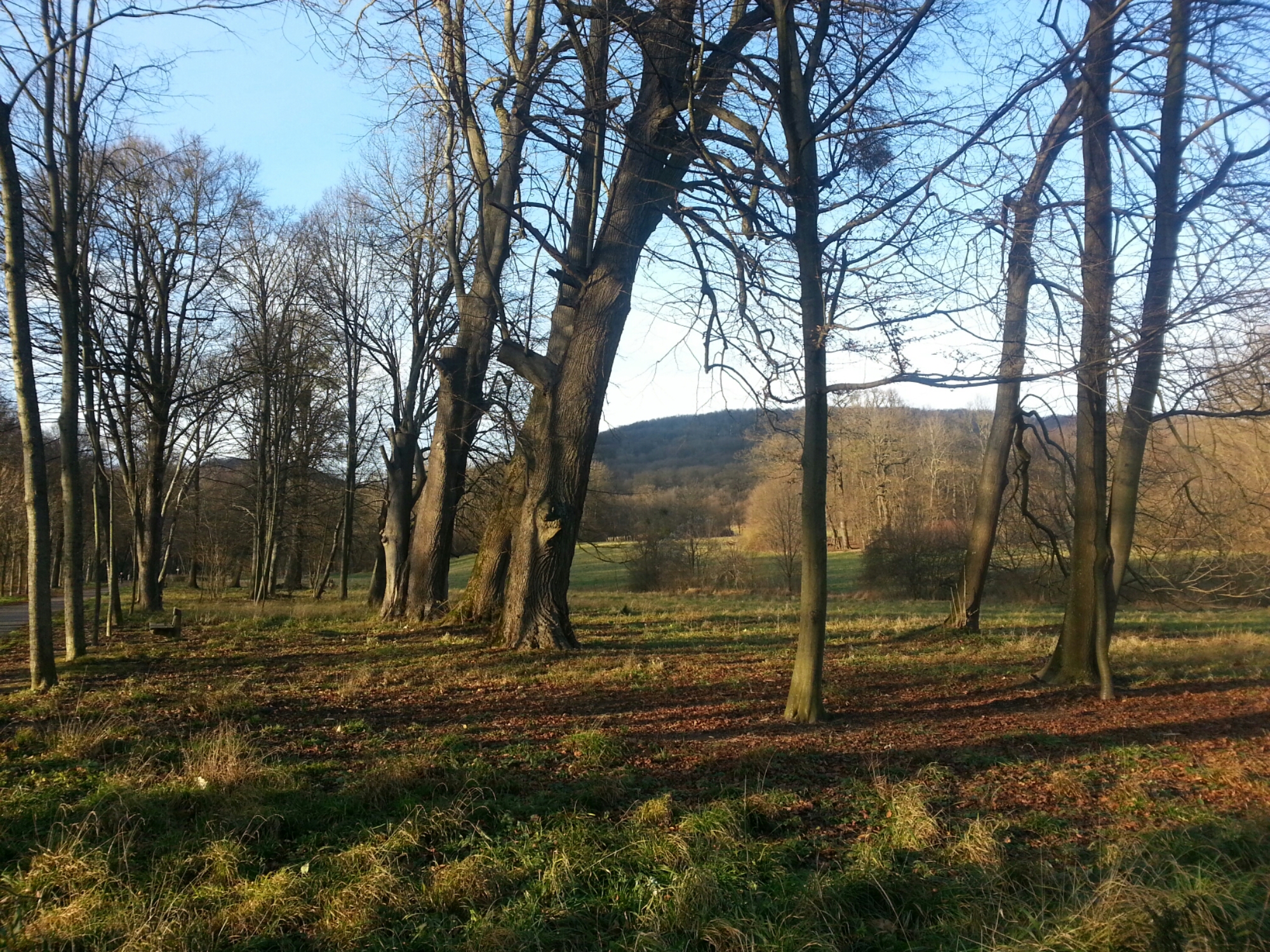
No matter how crowded it may be on Mariahilfer Straße, there were still lots of people making the most of this unseasonably warm weather in the Vienna Woods. You can see why, I think.
13.12.2014 | Liederabend Jonas Kaufmann
14 DecMy birthday present from dear friends and more or less everything a song recital should be–a coherent program, with encores that complemented it beautifully, excellent teamwork between (the very handsome and accomplished) singer and (less handsome but even more accomplished) pianist, an eager audience, and some drama, too. Rounded off by dinner at the Café Imperial, it was a simply wonderful evening.
https://konzerthaus.at/m/programm/000000e9-000cd39d
BTW I love the fact that a Viennese audience recognizes and appreciates the artistry of the accompanist–granted, one of their own in spite of his last name (Deutsch)–as much as the more obvious artistry of the singer.
The New Mariahilfer Straße
8 DecI finally made it to the new Mariahilfer Straße with pedestrian zone. The implementation process was the worst kind of political mess, but it looks as if the fuss was worth it.
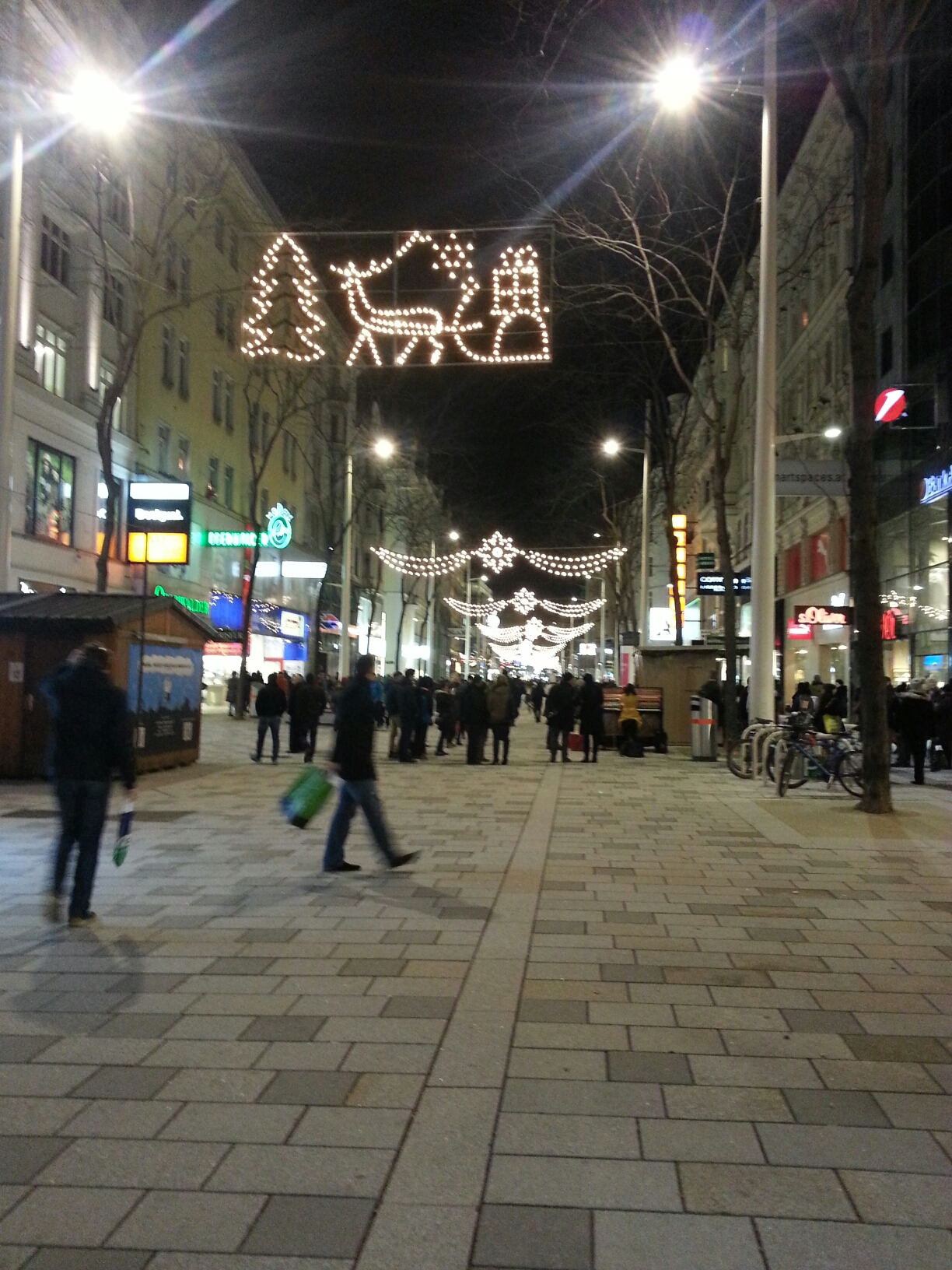
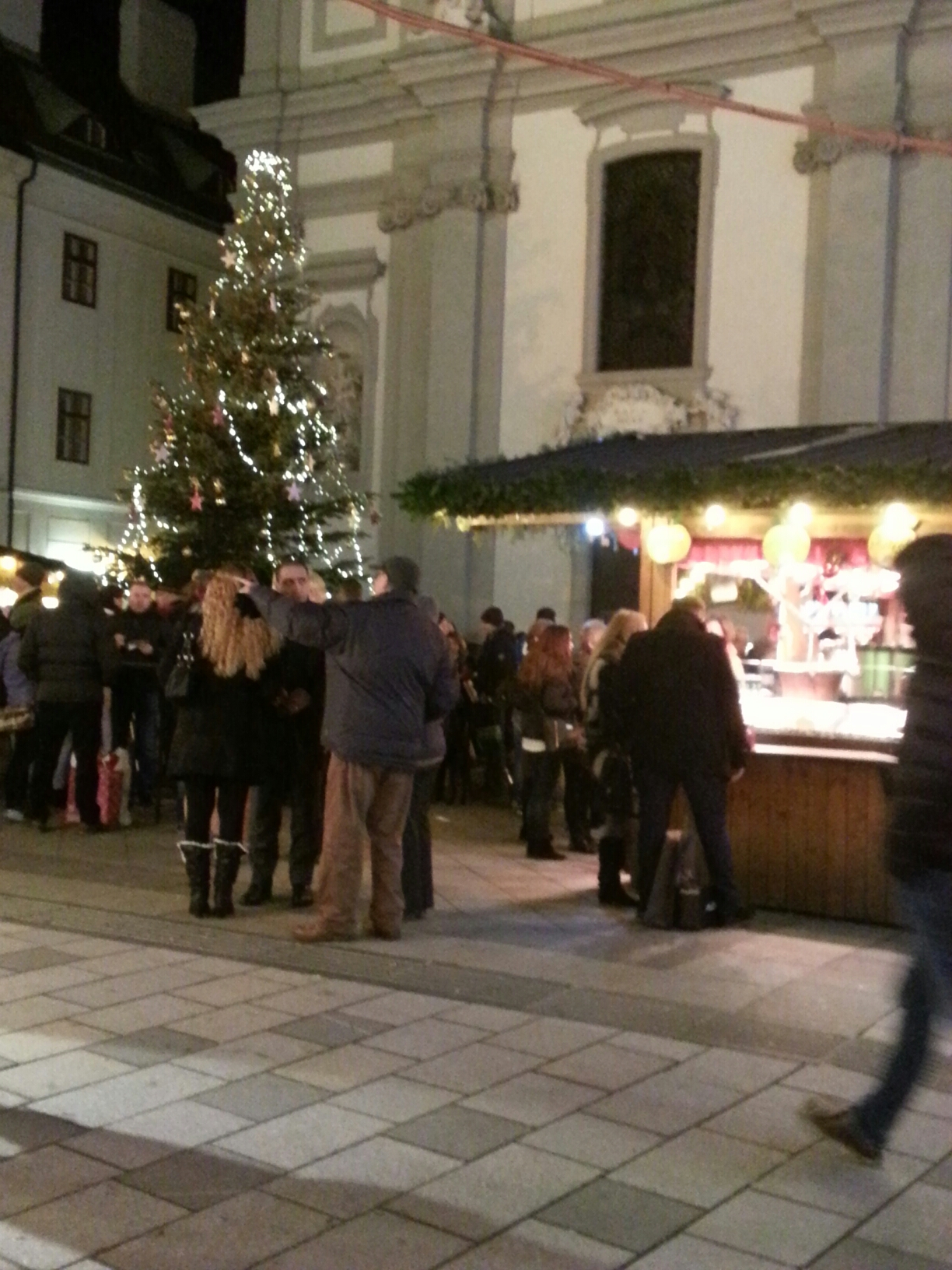
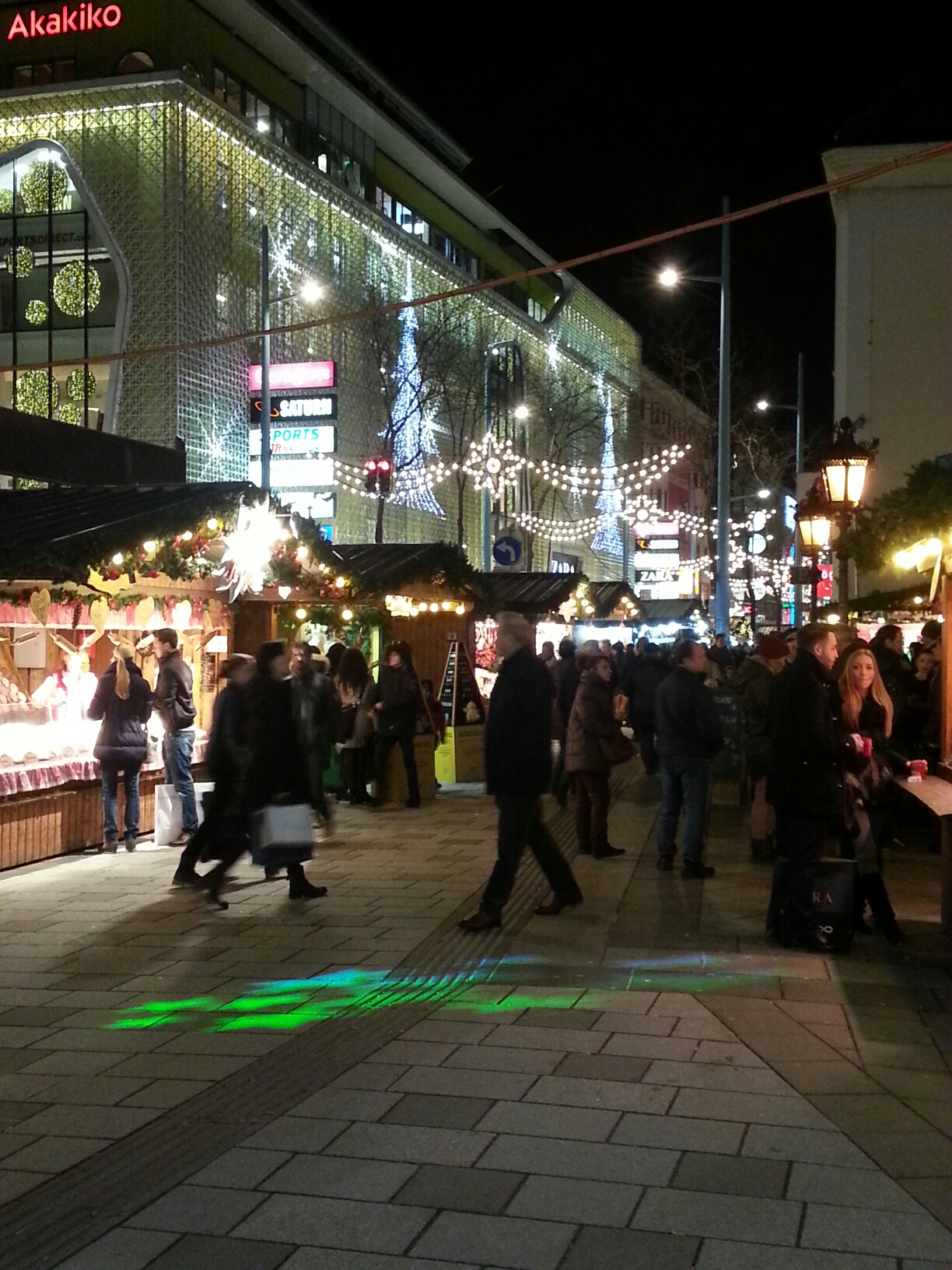
The Feast of the Immaculate Conception
8 DecA holiday in Austria and slightly brighter weather than the last week or two. (It’s all relative!) What better way to spend it than on a walk in the Vienna Woods–and afterwards the new Woody Allen film at one of Vienna’s several cinemas that show films in the original language?

An artist who adds happiness to life
6 Dec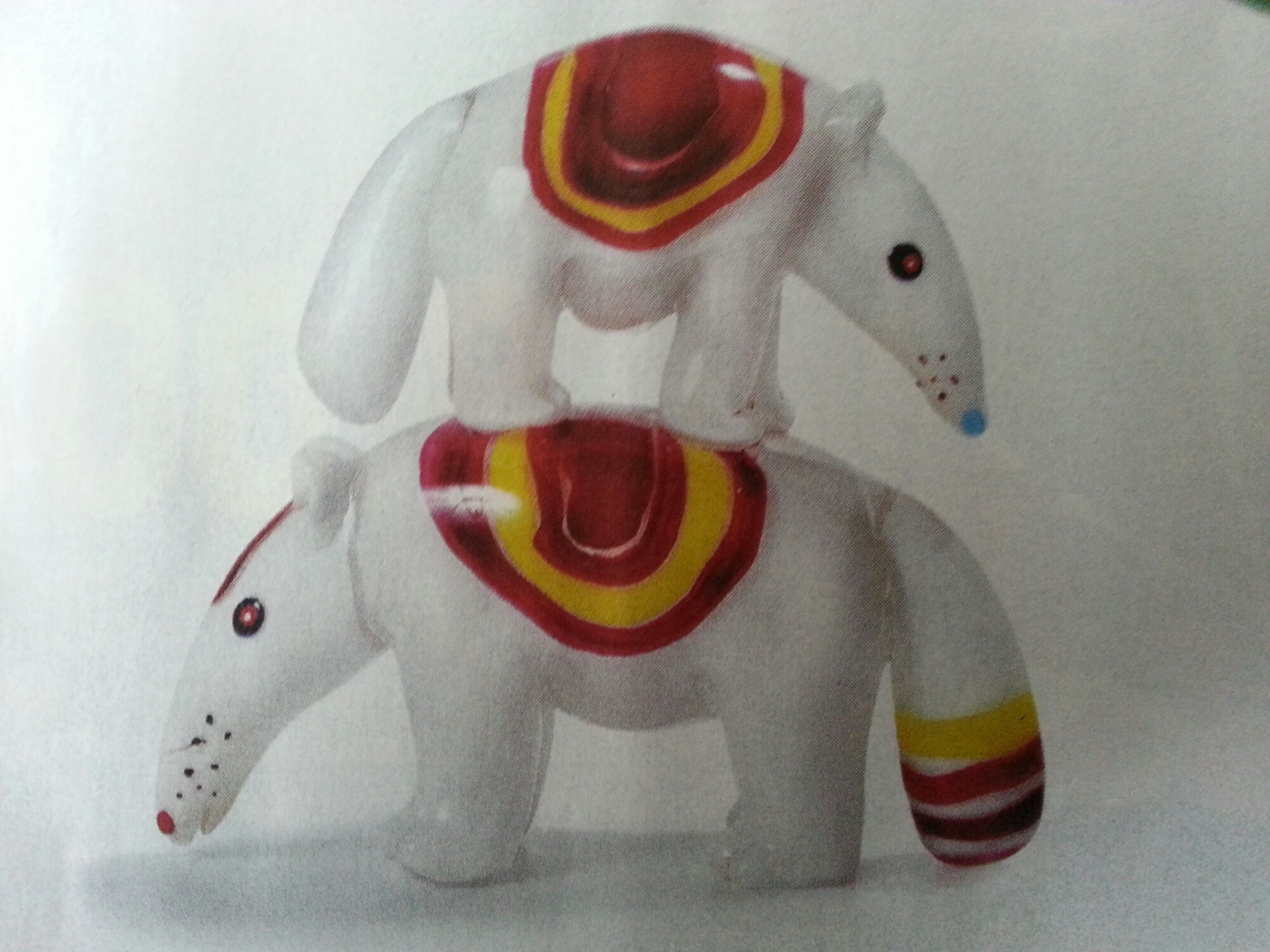
Welcome to the world of Rosemarie Benedikt, an Austrian artist born in Baden bei Wien in 1939, and still active. I have adored her work for years and last year was even lucky enough to be able to buy one of her coatis as a present for the friend who told me the anteater (Ameisenbär or ant-bear) joke. Imagine then my pleasure at opening my Saturday Kurier this gray, damp morning in Vienna and finding an article about Benedikt and her work, accompanied by lots of photos. That helped a lot!
“Es zieht” (“There’s a draft.”)
23 NovIt’s a perfect November Sunday in Vienna–gentle blue sky, temperatures just above freezing, but “es zieht” (there’s a draft). It was only a year or two ago that I learned the difference between “it’s windy” and “es zieht”. If you say it’s windy, that implies that you can see the effects of the wind. Tree branches are tossed, paper is blown about, and so on. When “es zieht” you feel the wind (and, boy, does it go right through you), but you don’t see it. Before I came to Vienna, I had never heard of having a draft outdoors, but now I know one when I see–sorry, feel–one.
 ecbinvienna